Benedetta Tagliabue
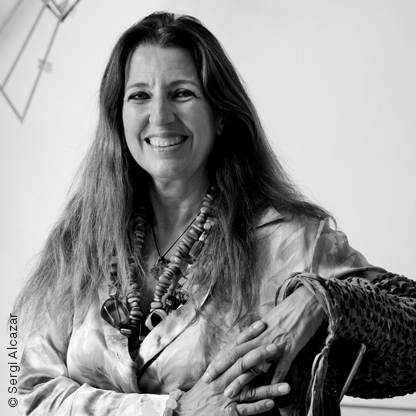
Benedetta Tagliabue (born in Milan, Italy) began her studies in 1980 at Columbia University, New York, and graduated from Università Iuav di Venezia in 1989. During her studies, she participated in the Transbuilding and Gandelsonas-Agrest project in New York in 1988. Moving to Barcelona in 1990, she founded EMBT with the Catalan architect Enric Miralles in 1993. Winning competitions for the Santa Caterina Market in 1997 and for the new Parliament of Scotland in 1998 marked a pivotal moment for EMBT, propelling the studio onto the international architecture stage.
After the death of her husband, Enric Miralles, in 2000, Benedetta Tagliabue completed EMBT’s projects.
International awards received by EMBT include: National Architecture Award of Catalonia (2002), RIBA Stirling Prize (2005), Rietveld Prize (2001), Honor Award of the American Society of Landscape Architects for the project Diagonal Mar Park in Barcelona (2005), Golden Lion at the Venice Architecture Biennale (2006), National Architecture Award of Spain (2006), RIBA International Award for Best International Building of 2011, RIBA Charles Jencks Award, and Piranesi Prix de Rome (2020).
Benedetta is Doctor Honoris Causa at Napier University, Edinburgh (2004), and regularly lectures at architecture forums and universities, including Harvard, Columbia, and the Barcelona School of Architecture (ETSAB). Furthermore, she holds the status of being an honorary member of both the Royal Institute of British Architects (RIBA) and the Royal Incorporation of Architects in Scotland (RIAS). She has served as a jury member for the Pritzker Architecture Prize since 2014 and is a member of the Pontificia Accademia dei Virtuosi al Pantheon in Rome as of 2022. Additionally, she has assumed the role of president and founder of the Fundació Enric Miralles in Barcelona.
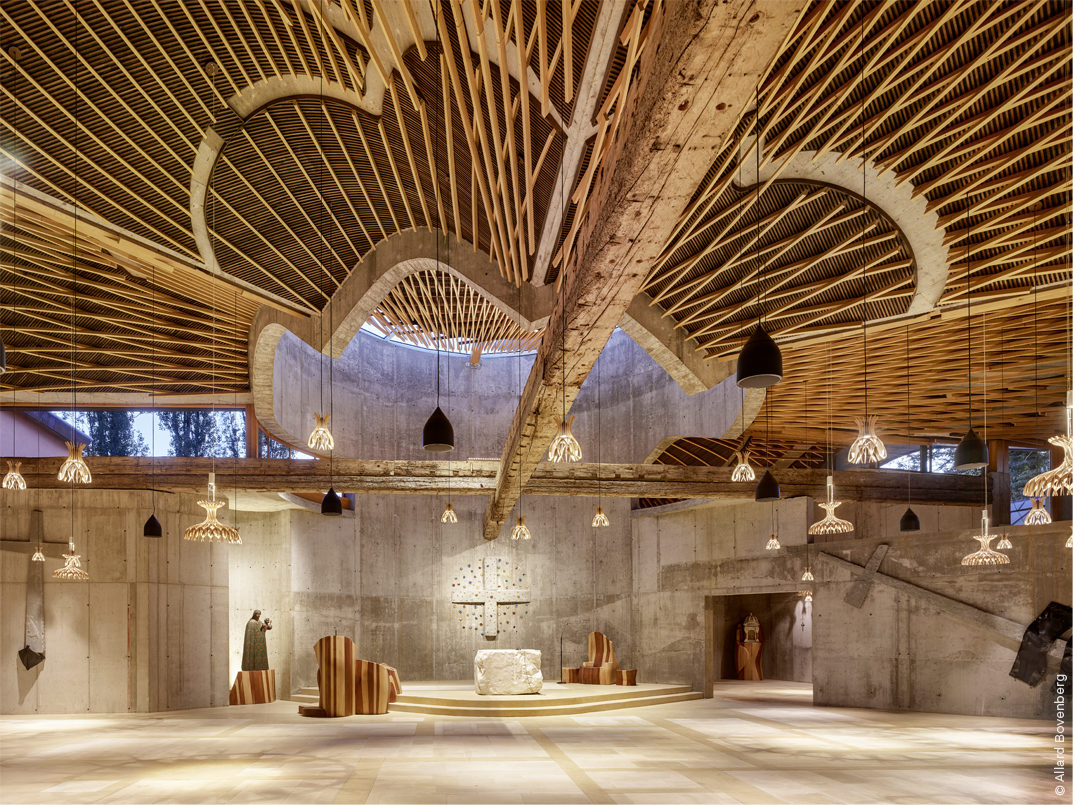
Experimenting with a particular site, with a program in evolution, with designs that need to adapt through time, and with construction formats and materials that must resist time is something that architects must struggle with every day. Our goal is to make our projects significant, yes, meaningful, and to let them serve as a starting point for other ideas and aspirations to emerge. »
Mette Ramsgaard Thomsen
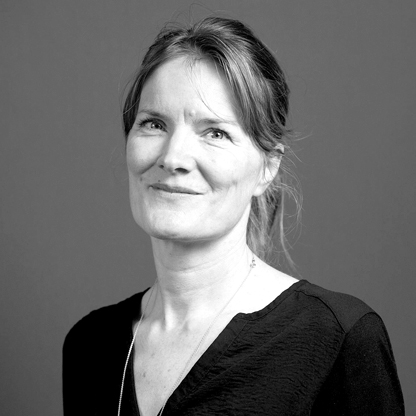
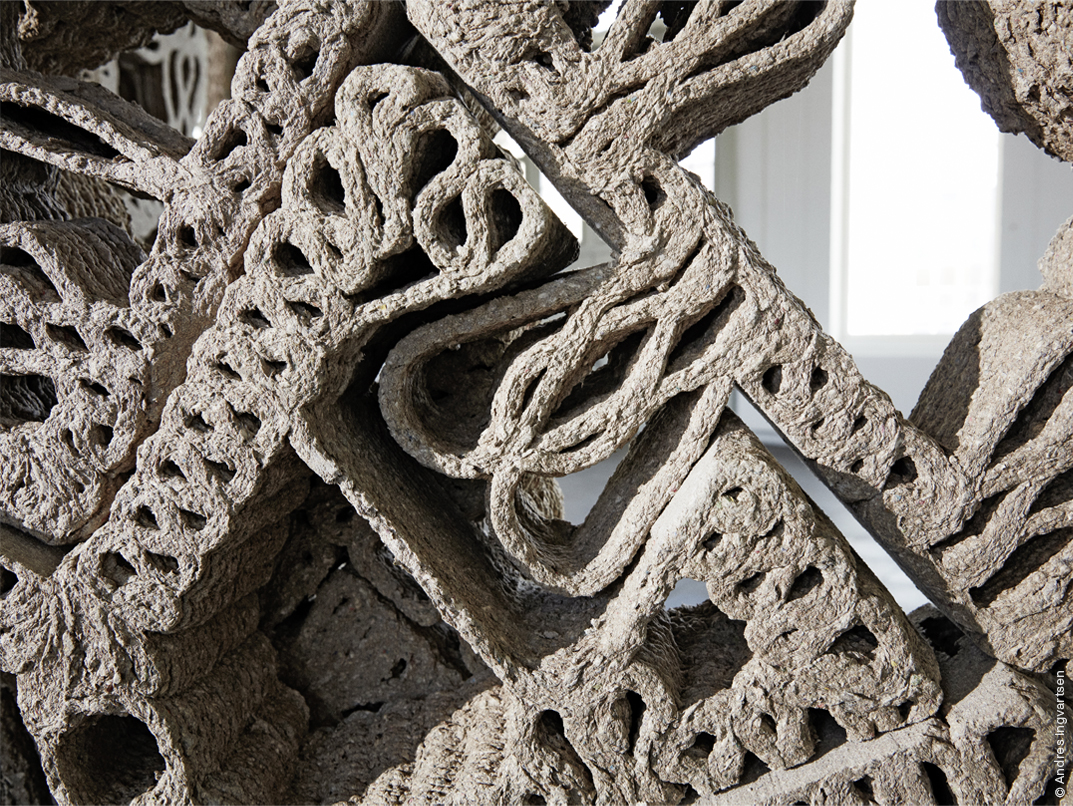
Mette Ramsgaard Thomsen explores the intersections between architecture and advanced computational design processes, examining the profound changes that digital technologies bring to the way architecture is thought, designed and built.
In 2005, she founded the Centre for IT and Architecture research group (CITA) at the Royal Academy of Fine Arts, School of Architecture, Design and Conservation where she has piloted a special research focus on the new digital-material relations that digital technologies bring forth. CITA has been central in the forming of an international research field examining the changes to material practice in architecture. This has been led by a series of research investigations developing concepts and technologies as well as strategic projects such as the international Marie Curie ITN network Innochain and the ERC project “Eco-Metabolistic Modelling for Architectural Design” that fosters interdisciplinary sharing and dissemination of expertise and supports new collaborations in the fields of architecture, engineering and fabrication.
In 2022, she was appointed Cret Chair at University of Pennsylvania where she runs research studio on bio-based additive manufacturing for repair. In 2023, she was General Reporter and Head of Science Track for the UIA2023CPH world congress “Sustainable Futures – Leave no one behind” asking how architecture can contribute to the UN SDGs. She is the first architect to be admitted to The Royal Danish Academy of Sciences and Letters. In 2022, she was appointed Fellow of Digital Futures at the University of Tongji, Shanghai.
Academic awards received by Ramsgaard Thomsen include: the Anna Nordlander Prize for a woman architect who has contributed considerably to her field (2011), the EliteForsk Prize for an outstanding researcher under forty-five, demonstrating international excellence (2016), and the ACADIA Innovative Academic Program Award of Excellence awarded to CITA in 2016. Ramsgaard Thomsen was General Reporter and Head of Science Track for the 2023 UIA World Congress of Architects “Sustainable Futures – Leave No One Behind.

Xu Tiantian
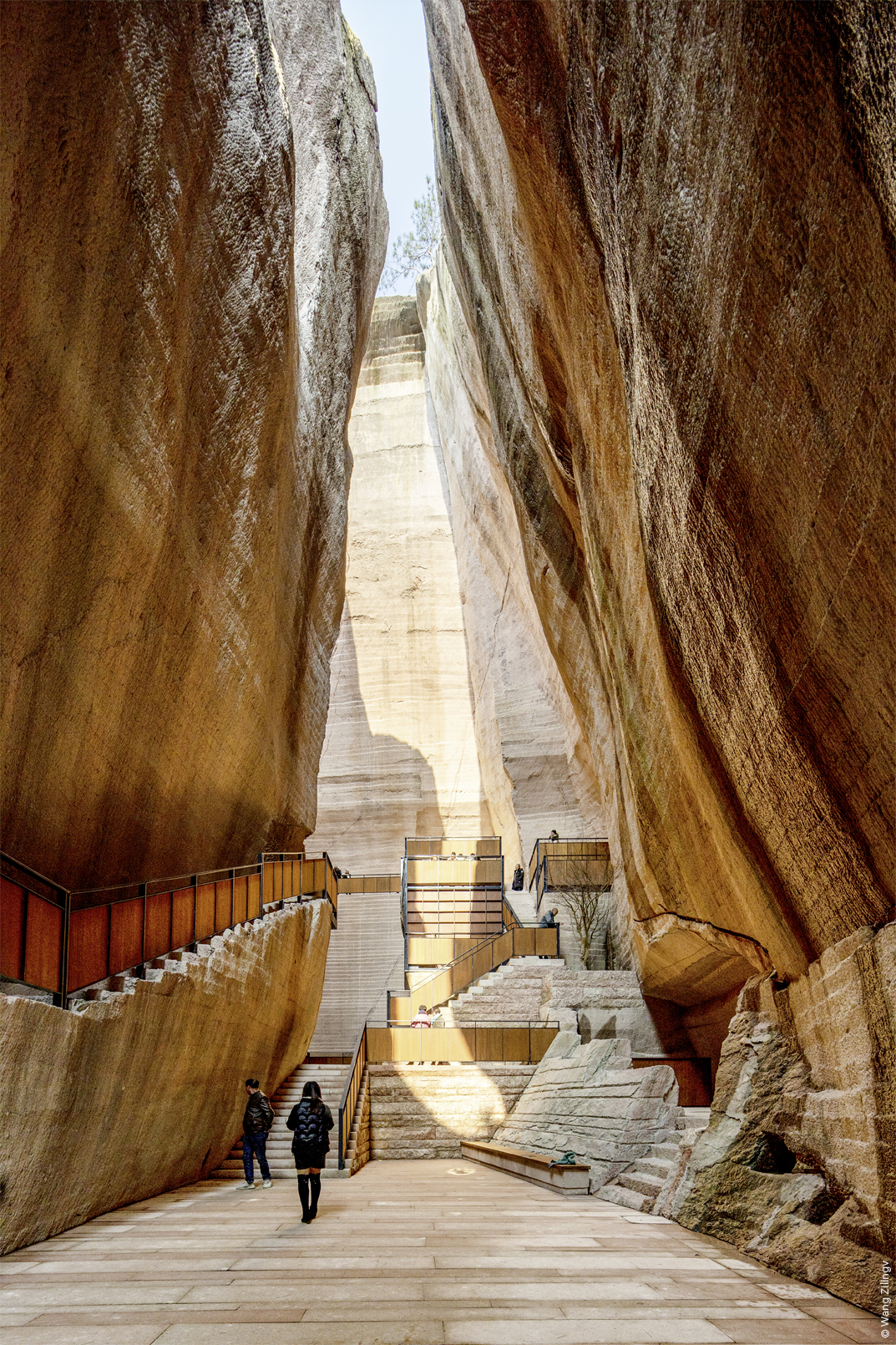
Xu Tiantian (born in Fujian, China) grew up in a Tulou, a large earthen building traditionally used by the Hakka people in the Fujian province in southeastern China. A Tulou can have a circular or rectangular floor plan, combining living, worship, storage, work, and communal spaces. Xu notes that her architectural interests were probably born out of her childhood in this beautiful traditional home. She received her bachelor’s degree in architecture from Tsinghua University in Beijing and her master’s degree in urban design from the Harvard Graduate School of Design. After working for OMA in the United States and the Netherlands, she founded the DnA_Design and Architecture studio in Beijing. Her “Architectural Acupuncture” for the social and economic revitalization of rural China was selected by UN Habitat as an inspirational approach concerning the links between urban and rural areas.
Awards received by Xu Tiantian include: the WA China Architecture Award (2006 and 2008), the Architectural League New York’s Young Architects Award (2008), the Design Vanguard Award by the Architectural Record (2009); the Moira Gemmill Prize for Emerging Architecture (2019), and the 14th International Prize for Sustainable Architecture, Gold Medal (2019). In 2022, she received the Swiss Architectural Award for three projects: the reuse of the Shimen Bridge over the Songyin River (2016–17), the Tofu Factory in Caizhai Village (2017–18), and the reuse of the Jinyun Quarries (2021–22). She was also the recipient of the Kunstpreis Berlin in 2023.
Xu Tiantian has taught design as a visiting professor at the Yale School of Architecture and is now a professor at Tsinghua University in Beijing. In 2020, she was appointed as an honorary fellow of the American Institute of Architects.
Erik and Ronald Rietveld
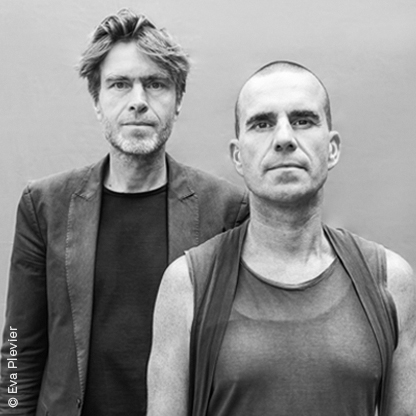
Erik Rietveld (born in Gorinchem, Netherlands) served as a fellow in philosophy at Harvard University and as a visiting scholar in the Helen Wills Neuroscience Institute at the University of California, Berkeley. Today, he holds the position of Socrates Professor at the University of Twente and is the founder and director of the research master’s “Vacant NL” in the Sandberg Institute at the Gerrit Rietveld Art Academy, both in the Netherlands. In 2013, his research project at the University of Amsterdam, “The Landscape of Affordances: Situating the Embodied Mind,” was rewarded with a VIDI-Award from the Netherlands Organization for Scientific Research (NWO). He received an ERC-Starting Grant for his project titled “Skilled Intentionality for ‘Higher’ Embodied Cognition: Joining Forces with a Field of Affordances in Flux” in 2015. Erik Rietveld consistently contributes to various journals, including Philosophical Studies, Phenomenology & The Cognitive Sciences, The Architectural Review, Mind, and Harvard Design Magazine.
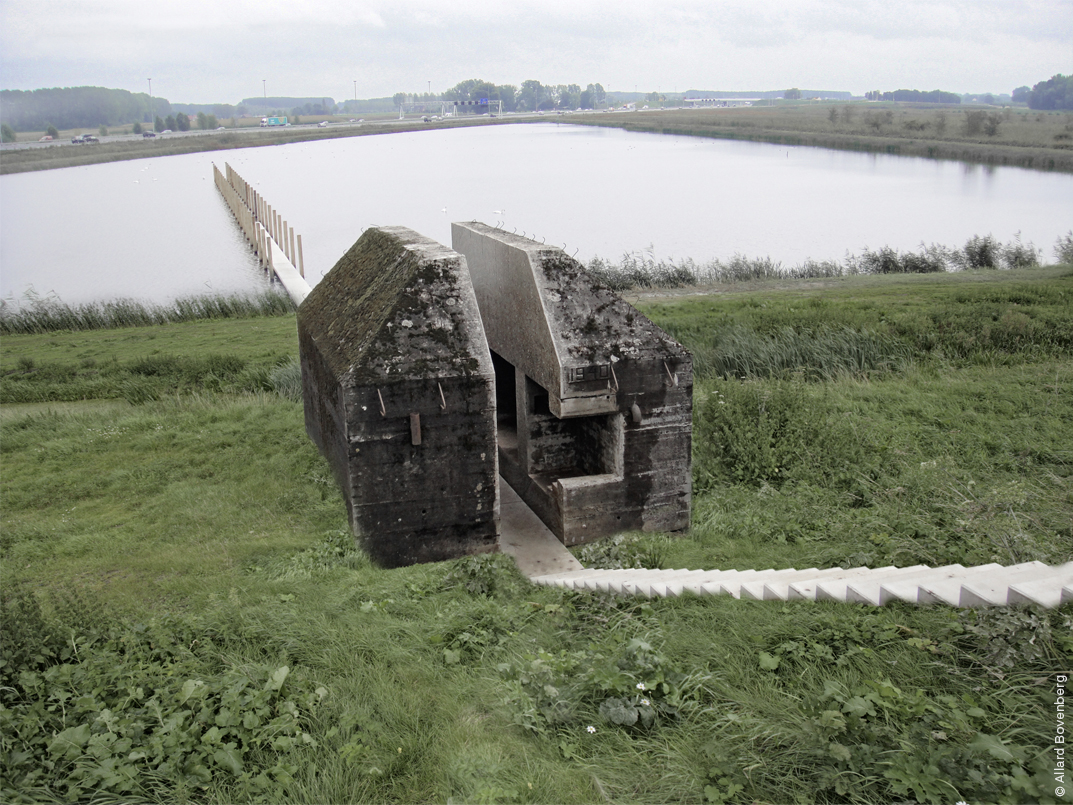
Ronald Rietveld (born in Gorinchem, Netherlands) graduated from the Amsterdam Academy of Arts in 2004 and was the winner of the Prix de Rome Gold Medal in 2006. During his time at the Rijksakademie van beeldende kunsten in Amsterdam, he and his brother Erik established the multidisciplinary studio RAAAF (Rietveld Architecture-Art-Affordances) at the intersection of visual art, architecture, and philosophy.
Awards and grants received by RAAAF include: the AR Award in London (2013), the European Prize of Architecture Philippe Rotthier (2017), the Stipendium for Established Artists (2016) by the Mondriaan Fund for Visual Arts, the Radical Award (2013), and the New Talent Award from Metropolis NYC (2015). Additionally, RAAAF curated the Dutch “Vacant NL” contribution to the Venice Architecture Biennale in 2010. Noteworthy installations by RAAAF have been featured at prominent international exhibitions, including the Bienal de São Paulo, the Istanbul Art Biennale, the Garage Museum for Contemporary Art in Moscow, and the Museum Boijmans Van Beuningen in Rotterdam. Erik and Ronald give lectures at art academies, universities, and professional symposia worldwide. Since 2016, both have been members of the Society of Arts of the Royal Netherlands Academy of Arts and Sciences (KNAW).
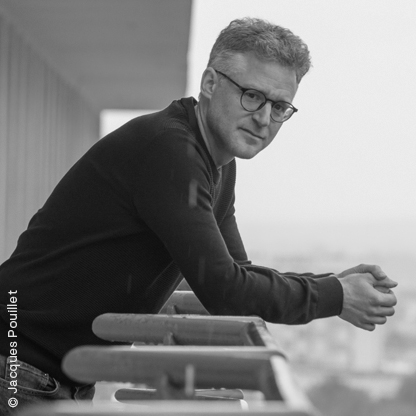
Simon Teyssou
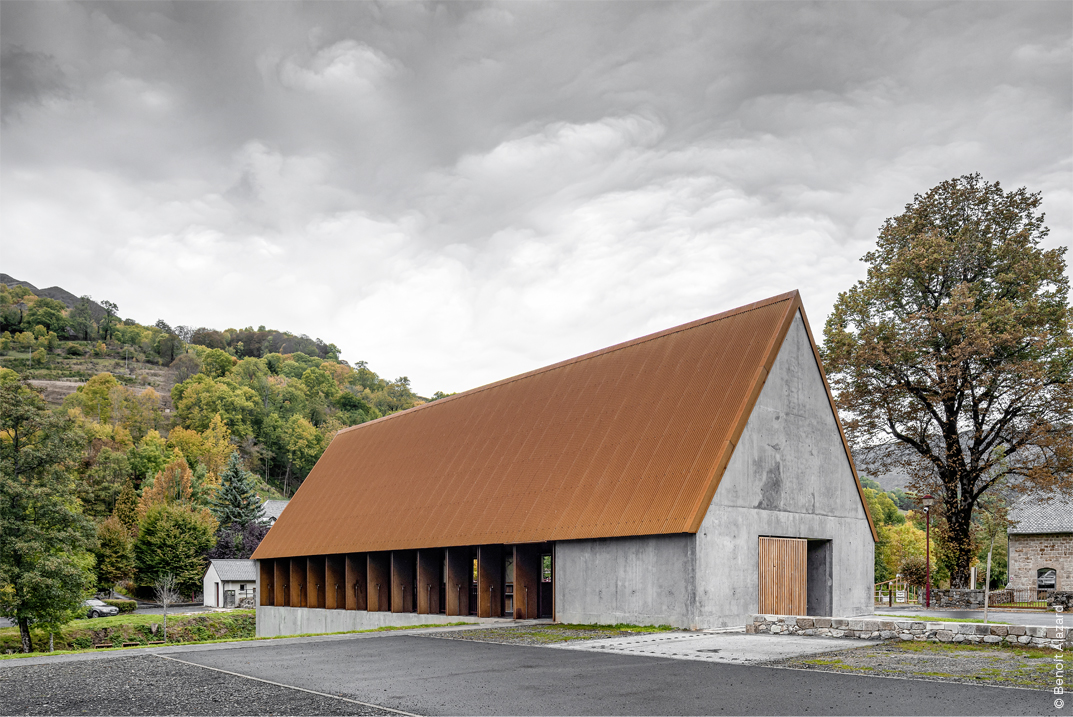
Simon Teyssou (born in Paris, France) graduated from the architecture school of the École Nationale Supérieure d’Architecture de Clermont-Ferrand (ENSACF) in 2000. Clermont-Ferrand, the historic capital of Auvergne, is situated in a rural region in central France. Here he set up his architectural practice, Atelier du Rouget, in 2001. From 2008 to 2018, Teyssou taught architectural design at ENSACF, a role he held until assuming the position of director. From 2015, he has also contributed his insights as a member of the “Resources” research laboratory.
Atelier du Rouget undertakes projects of all kinds: urban studies, public spaces, housing, facilities, services, and furniture. Teyssou demonstrates his critical ecology approach by participating in numerous forums, conferences, and publications. Some of the most important ones include: the moderation of a round table, “The Potentials for the Archaic Today,” organized by ARENA – Architecture Research European Network, Paris (2018), “Urban Planning Tomorrow,” at the Franco-Chinese Forum in Lyon (2018), and the “New Rurality Association” in Paris (2019).
Awards received by Simon Teyssou in France include: Grand Prix d’Urbanisme 2023, Grand Prix d’architecture of the architecture review D’A for the Center of Mandailles project (2000), the National Prize of Wood Construction in the category “Social Habitat” for a housing project in Limoges (2016), the National Prize EIFFEL for the rehabilitation of the Aurillac rugby stadium (2019), and the National Prize of Urbanisme in Paris (2023). His main exhibitions include: Materials in the Spotlight (group show) in Durban (2014), The Lightness of Being: New Wood Architectures in France in Linz (2014), New Richness, French Pavilion at the Venice International Architecture Biennale (2016), and the Biennale of Architecture and Landscape in Versailles (2022).